Your Favorite Artist's Setlist Is a Confession — Here's How to Read It
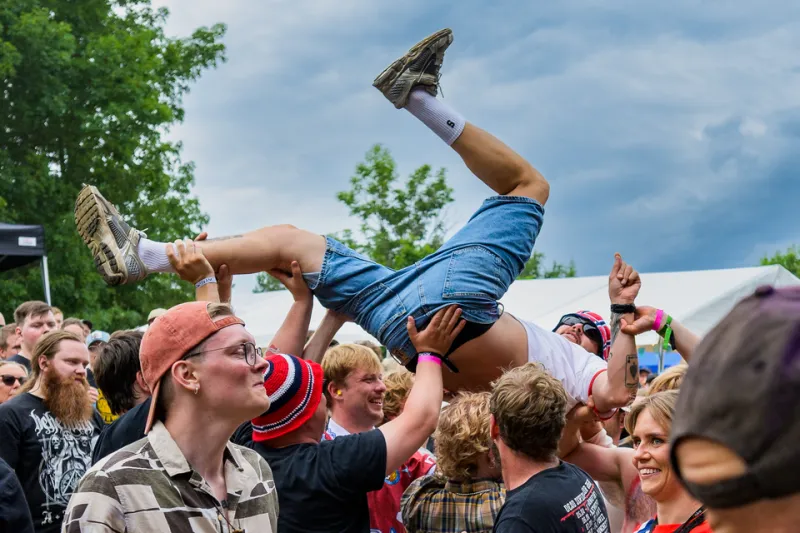
Photo: Birgit Fostervold, CC BY-SA 4.0, via Wikimedia Commons
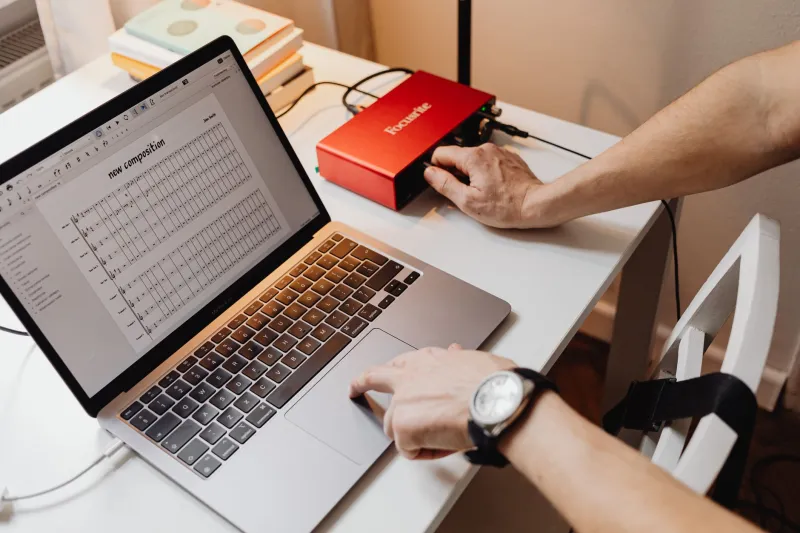
There's a stretch about forty minutes into most arena shows where the night quietly decides what it's going to be. The crowd is warm, the hits are done or waiting, and the artist has to make a choice: keep feeding the room what it already loves, or ask it to come somewhere unfamiliar. That choice doesn't happen by accident. It happens in a spreadsheet, weeks earlier, when somebody types a song order into a document and hits save.
Fans treat setlists like clues because they are. But the more interesting story is that a setlist is also a piece of writing — an artist's most public statement about who they are at this exact moment. Not the album, not the interview, not the Instagram caption. The order.
The Opener Is a Thesis Statement
Opening with the biggest song in the catalog is a flex, but it's a specific kind of flex. It says: I know why you're here, and I'm confident enough to give it to you immediately. Opening with a deep cut or an unreleased track says something else entirely — trust me for ninety seconds before I give you anything familiar. Opening with a slow build says: I'd like to be taken seriously tonight.
None of these are wrong. But they're not interchangeable either. Watch how quickly the room settles after the first song and you'll learn more about an artist's current standing than any chart position will tell you.
Where the Hits Land
Front-loading hits is a defensive move, and it's usually a smart one for an artist playing to a crowd that mostly knows the singles. You get the energy early, you bank the goodwill, and you spend the rest of the night cashing it in.
Saving the hits is a confidence move. It assumes the audience will stay through the middle. That assumption is a real gamble in a year when tickets cost what they cost and babysitters cost what they cost.
And then there's the strangest move of all: burying a genuine monster single at slot seven or eight. That's not an accident. That's an artist saying, politely, that they have more than one song and they'd like a minute to prove it. Sometimes it works beautifully. Sometimes you can feel the room's attention drift toward the beer line.
The Mid-Show Dip Is Not a Mistake
Every setlist has a valley. It's the three or four songs where the new material goes, or the ballads, or the deep cut the artist personally loves and the crowd politely tolerates. Fans complain about it constantly. Artists keep doing it.
That valley is where an artist finds out who's actually in the building. It's also where a career gets tested in real time — if the new songs hold the room, the next tour gets bigger. If they don't, the artist learns something that no streaming dashboard can tell them.
The dip is a bet on the future being worth the present. That's a strange thing to do in front of thousands of paying customers, which is exactly why it's worth paying attention to.
The Encore Is a Mood, Not a Bonus
The encore used to be a negotiation. Now it's mostly scripted — lights down, two minutes of stomping, back out for three songs. But the songs chosen for that slot still say something. The encore is the last thing an artist wants in your head on the drive home.
A victory lap encore says: this is who I am, thanks for coming. A new-song encore says: I'm not finished being interesting. A stripped-down, single-voice encore says: I'd like you to remember that I can actually do this.
When the Order Goes Wrong
You can hear a defensive setlist from the parking lot. Hit, hit, hit, ballad, hit, hit, encore. Nothing wrong with it, exactly, but it plays like an apology — like the artist doesn't quite believe the room will follow them anywhere.
A great setlist feels like an argument. It builds, it withholds, it pays off. It treats the audience less like a focus group and more like a reader.
Fans Read Clues. Artists Write Chapters.
Setlists hit Reddit and TikTok within an hour of the lights going down, and fans parse them like tea leaves — is the new single in? Did they cut the fan favorite? Is the tour over?
That's a fun hobby and a real signal. But there's a second layer here that gets missed: song order is a tool artists can use on purpose, not a shuffle they tolerate. The ones who sequence a show like they'd sequence a record are the ones whose live sets get talked about for years instead of days.
In 2026, with shorter festival sets and more curated theater runs on the calendar, that skill matters more than ever. A tight forty-five minutes at a festival and a two-hour headline show are different formats, and the artists who understand that are the ones who leave the parking lot buzzing.