Lagos Already Figured It Out: What American Music Keeps Missing About the Global Sound
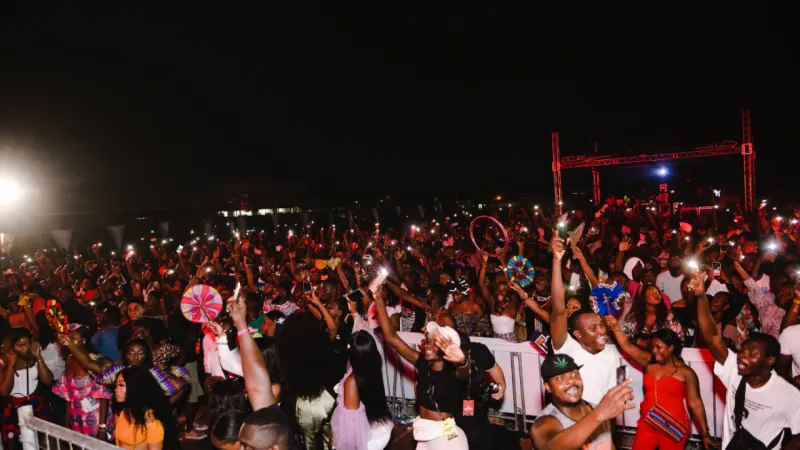
Photo: afrobeats concert crowd vibrant stage lights international music festival, via media.zenfs.com
Every few years, the American music industry discovers the rest of the world, acts surprised, and then tries to figure out how to monetize it. Reggaeton got the treatment. K-pop got it. Now it's Afrobeats and amapiano's turn — Burna Boy selling out stadiums, Tems on every feature that matters, amapiano log drums showing up in R&B like they never left.
And the industry response, as always, is to study the sound like it's a trend. It's not a trend. It's a blueprint. And honestly? American artists keep reading the wrong page of it.
The Sound Didn't Cross Over. It Stayed Put.
Here's the part that should break everyone's brain a little: the biggest global records out of Nigeria and South Africa didn't sound American to get here. They sounded like Lagos. Like Johannesburg. Wizkid didn't chase a US radio edit into relevance — the US eventually came to the record. Burna Boy has been loud about this for years: he wasn't trying to be a crossover artist. He was building a home base so big the world had to deal with it.
That's the mechanic everyone misses. The global wave didn't happen because these artists adapted to America. It happened because they were so specific that audiences everywhere — including here — had nothing to compare them to. Specificity is the export product. Not accessibility.
Compare that to the stateside instinct: chase the feature, chase the playlist, sand down the accent, add the verse from whoever's hot this quarter. It's the same playbook that produced a decade of interchangeable radio. It works for a moment and builds nothing that lasts.
Identity First, Charts Later
So what's actually in the blueprint? Three things, in a very specific order.
One: a scene, not a single. Afrobeats didn't arrive as one song. It arrived as an ecosystem — Lagos clubs, London diaspora parties, African streaming growth, festivals, producers, a whole culture with its own gravity. The hit songs were just the loudest evidence of something that already existed. American artists often try to reverse-engineer the hit without building anything underneath it.
Two: audiences owned, not rented. A lot of these artists came up touring diaspora communities, selling out venues in London, Toronto, Houston, and Atlanta long before radio said yes. That's an audience with a direct relationship, not one borrowed from a playlist slot that can vanish on a Friday. Independent artists in the US could stand to take notes — the ones winning right now are the ones who built their own rooms.
Three: patience as a strategy. Burna Boy had been at it for most of a decade before the American mainstream showed up. The wave looks sudden from outside; from inside, it's a slow compounding of shows, features, and consistency. The US industry's attention span is roughly one album cycle. The global sound was built on a ten-year clock.
What This Means for Artists Here
If you're making music in America right now, the global wave isn't telling you to add a log drum. It's asking you a harder question: what is the thing about you that no algorithm could have predicted?
Your regional sound. Your family's musical language. The weird genre fusion only your hometown could produce. That's not a liability to polish away — in 2024 and beyond, it's the entire product. The artists who break out now look less like the next version of something and more like the first version of themselves.
The industry will keep treating global sounds as a trend it can sample. But Lagos didn't wait for permission, and neither should you. Build the scene. Own the audience. Take the long clock. The crossover isn't the goal — it's the side effect.