Streaming Won't Pay Your Rent: Where Independent Artists Are Actually Building Real Wealth in 2024
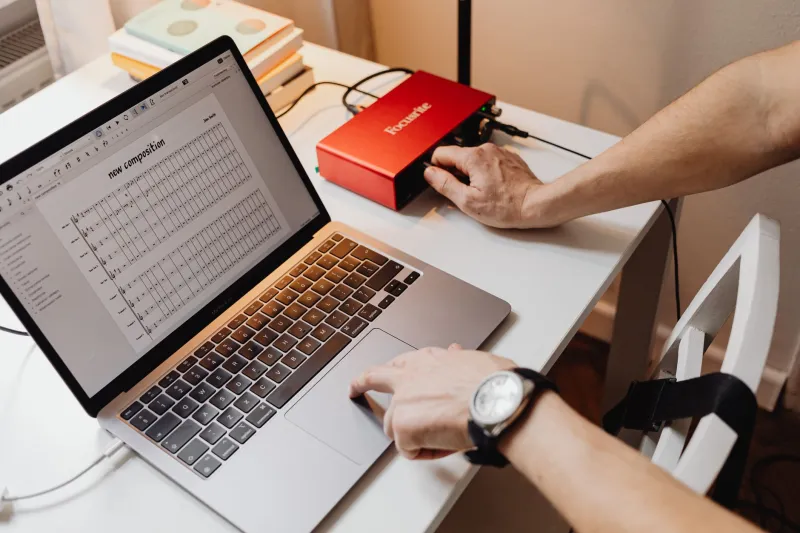
Let's do the math real quick. One million streams on Spotify will earn an artist somewhere between $3,000 and $5,000 — before their distributor takes a cut. That same artist might spend more than that just on the production, mixing, and mastering of the songs that got those streams.
Streaming is a discovery tool. It was never really a business model. And the independent artists who are actually building sustainable careers in 2024 figured that out a while ago.
So where is the money? Let's actually talk about it.
The Direct-to-Fan Economy Is Not a Side Hustle Anymore
Platforms like Patreon, Bandcamp, and Substack have matured into legitimate primary income sources for artists who've built even modest but loyal audiences. The math here is completely different from streaming.
An artist with 10,000 dedicated fans who each pay $10 a month on Patreon is pulling in $100,000 a month — before merchandise, before shows, before anything else. Compare that to the streaming numbers required to generate the same income (spoiler: you'd need hundreds of millions of plays per month), and the case for direct-to-fan becomes obvious fast.
What makes this work isn't size — it's depth. The artists killing it on Patreon aren't necessarily the ones with the biggest followings. They're the ones whose audiences feel genuinely connected to them and see the subscription as a relationship, not a transaction. That's a distinction worth building toward intentionally.
Live Performance Is Back, and It's Paying Differently
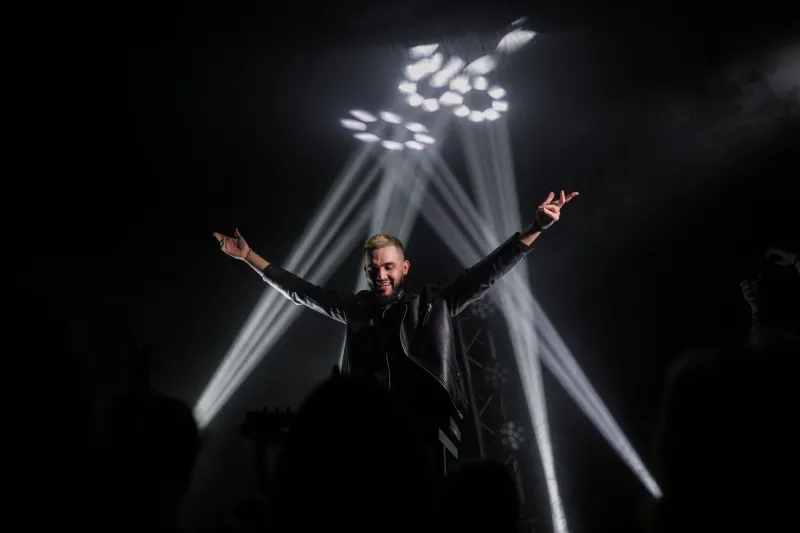
Post-pandemic, the live music economy restructured in ways that actually favor independent artists more than the old model did. Smaller venues are thriving. Niche touring — where an artist plays 30 cities to 300 people each night instead of chasing arenas — is generating real, consistent income without the overhead of a major label tour machine.
The key shift is in how artists are monetizing the live experience beyond the ticket price. VIP packages, meet-and-greets, exclusive merch drops available only at the venue, and even post-show experiences like private listening sessions have turned a $25 ticket into a $150 average transaction for artists who've gotten strategic about it.
Artists like Muni Long, Latto, and a wave of R&B and Afrobeats acts have demonstrated that regional touring with a loyal base can be more financially stable than chasing viral moments that don't convert to ticket sales.
Brand Partnerships: Not Selling Out, Just Selling Smart
The stigma around brand deals has largely evaporated, and the economics explain why. A single brand partnership with the right company can generate more income in 30 days than a year's worth of streaming royalties for most independent artists.
What's changed is how these deals are being structured. The old model was: brand pays artist to post something awkward that doesn't fit their aesthetic, audience rolls their eyes, everyone moves on. The new model is more integrated — artists are approaching brands as creative partners, developing campaigns that feel native to their content, and in some cases taking equity stakes rather than flat fees.
For artists in the 50,000 to 500,000 follower range — the so-called 'micro-influencer' tier — engagement rates are often significantly higher than mega-celebrity accounts, which makes them attractive to brands targeting specific communities. An Afrobeats artist with 80,000 highly engaged followers might command a better rate per impression than a pop star with 5 million passive ones.
Sync Licensing: The Quiet Money
This one flies under the radar but it shouldn't. Sync licensing — getting your music placed in TV shows, films, commercials, video games, and trailers — can generate lump-sum payments that dwarf streaming income, along with ongoing royalties every time the content airs.
Platforms like Musicbed, Artlist, and Songtradr have democratized sync placement, making it accessible to independent artists without major label connections. A single placement in a popular Netflix series can pay anywhere from $5,000 to $50,000 depending on usage, and the residual performance royalties through PROs like ASCAP and BMI keep paying out for years.
The catch is that sync-friendly music has specific characteristics — it tends to be instrumentally interesting, lyrically non-specific enough to work across contexts, and produced to a standard that holds up in post-production. Artists who think about sync as a market from the beginning of the creative process, rather than an afterthought, are positioning themselves for a revenue stream that genuinely scales.
NFTs and Web3: Overhyped, Then Underutilized
The NFT moment of 2021-2022 was chaotic and largely unsustainable in the form it took. But the underlying concept — direct digital ownership between artist and fan, with built-in royalty structures — didn't go away. It just got quieter and more functional.
Platforms like Sound.xyz and Royal are building more durable models where fans can own fractional stakes in songs and receive a portion of streaming royalties. For artists, this means raising capital upfront from their most invested fans rather than taking advances from labels with unfavorable terms. It's early, and the market is still volatile, but the artists experimenting with it now are developing infrastructure that could be genuinely transformative in five years.
The Portfolio Mindset
What separates the independent artists who are actually financially stable from those perpetually chasing the next viral moment is a portfolio approach to income. No single revenue stream is reliable enough to build on alone — not streaming, not touring, not brand deals. But five streams, each generating modest income, add up to something that can actually sustain a career.
The mental shift required is from 'I need a hit' to 'I need a business.' Those aren't mutually exclusive, but they require different thinking. A hit gets you attention. A business keeps the lights on while you're building the next one.
The traditional music industry was built on the premise that artists needed gatekeepers to access audiences and income. The infrastructure that's emerged over the last decade has quietly made that premise obsolete. The artists who recognize that earliest — and build accordingly — are the ones writing their own rules.
And increasingly, those rules are a lot more lucrative than the old ones.