Gone at the Top: What Really Happens When Your Favorite Artist Suddenly Vanishes
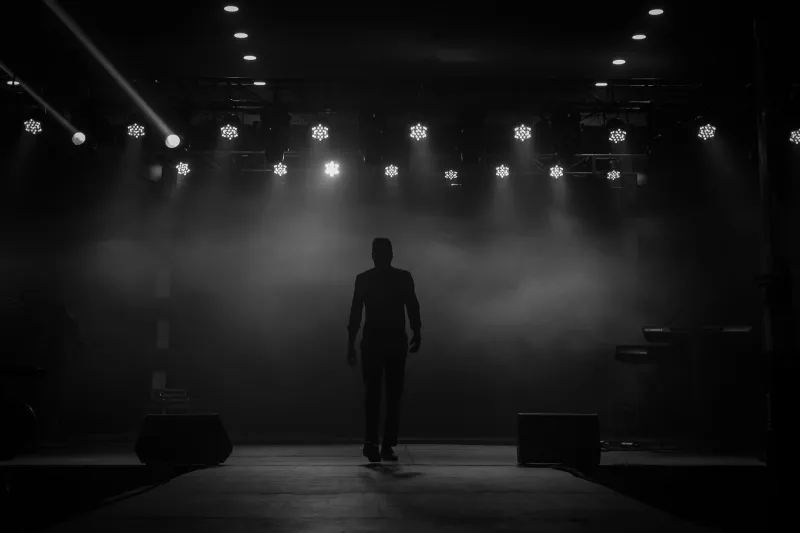
You know the feeling. You've been riding with an artist since the early days — sharing their SoundCloud link, streaming their debut EP on repeat, telling every person in your group chat that they're about to be huge. Then it happens. The moment arrives. A song catches fire, the features start rolling in, the late-night show appearance goes viral. They've made it.
And then they disappear.
No new music. Social media goes quiet. The tour gets postponed. Interviews dry up. You're left checking their Instagram every few days like maybe you missed something, wondering if you imagined the whole thing.
Welcome to what some industry insiders are starting to call the Ghosting Economy — the strange, almost predictable pattern where artists vanish right at the moment fans feel most connected to them.
The Cruel Irony of Breaking Through
Here's the thing nobody really talks about: the bigger you get, the harder it becomes to stay present. That sounds counterintuitive, right? More resources, more team members, more infrastructure — shouldn't all of that make communication easier?
Not exactly.
When an artist is grinding their way up, they're often running their own socials, replying to DMs at midnight, dropping music when they feel ready. There's a directness to that phase. Fans feel it. The artist feels it too.
But the moment a label deal lands, a management team expands, or a major sync placement pushes a song into mainstream consciousness, that intimacy gets filtered through layers of gatekeeping. Suddenly, every tweet needs approval. Every interview has a PR angle. The artist who used to post unfiltered voice memos from their car is now in a meeting about brand alignment.
The silence fans experience isn't always abandonment. Sometimes, it's bureaucracy wearing a black turtleneck.
When the Quiet Is Strategic — And When It's a Cry for Help
Not all artist disappearances are the same, and it's worth making that distinction.
Some breaks are deliberate. Beyoncé built an entire mythology around strategic silence. Frank Ocean made a decade-long wait feel like performance art. These artists understood that scarcity creates desire, and they used absence as a tool. The silence was the message.
But then there's the other kind of quiet — the kind that comes from exhaustion, disillusionment, or something darker. The kind where an artist hits their biggest moment and finds themselves completely hollowed out on the other side of it.
Think about how many artists have opened up years later about what was really going on during their "break." Mental health crises. Label disputes that felt like being trapped. Grief they couldn't process publicly. Creative paralysis that came from the pressure of following up a breakthrough moment.
The audience doesn't always see the difference in real time. From the outside, strategic silence and survival silence can look identical. Both result in the same empty notifications, the same unanswered questions.
The Fan Side of the Equation
Let's be honest about something: fans have a complicated relationship with artist success.
There's genuine joy when someone you've been rooting for finally gets their flowers. But there's also a subtle grief that comes with it. The artist that felt like a secret — your discovery, your thing — suddenly belongs to everyone. The comment section floods with new fans who don't know the deep cuts. The intimacy of the early days gets diluted.
And when the artist goes quiet on top of that? It can feel like a double loss.
Social media has made this dynamic more intense. Platforms like TikTok and Instagram have trained fans to expect a constant stream of content, personality, and access. When an artist pulls back, even temporarily, it reads as rejection — even when it's really just rest.
This is where the parasocial piece gets genuinely complicated. The relationship fans build with artists is real in its emotional weight, even if it's largely one-directional. When that perceived connection suddenly goes cold, the disappointment is real too.
What Artists Actually Need in Their Quietest Seasons
If you ask artists — really ask them, in the kind of candid interviews that don't get run through a PR filter — a lot of them will tell you the same thing: the period right after a breakthrough is one of the loneliest of their careers.
The pressure to capitalize on momentum is enormous. Labels want a follow-up. Management wants touring. Brands want partnerships. Everyone wants a piece of the moment before it passes. And in the middle of all that noise, the artist is supposed to also somehow make art — the thing that started all of this in the first place.
Creativity doesn't perform well under that kind of heat. It tends to go underground.
What artists often need in those quiet seasons is space to figure out who they are now that the thing they worked for actually happened. Identity doesn't stay still after major success. The version of yourself that was hungry and scrappy and making music in a bedroom doesn't automatically translate into the version of yourself who's headlining festivals. That transition takes time. It takes silence.
How Fans Can Hold Space Without Holding On Too Tight
This isn't a piece about lowering your expectations as a fan. It's about expanding your understanding of what support actually looks like.
Streaming an artist's catalog during their quiet period? That's support. Defending them in comment sections when people write them off as a one-hit wonder? That's loyalty. Not flooding their mentions with "WHERE IS THE ALBUM" energy every other week? That's respect.
The artists who come back from their quiet seasons strongest are almost always the ones who were given room to actually disappear for a while. The ones who felt permission to be absent without being abandoned.
And when they do come back — and most of them do — the music tends to carry the weight of everything they processed in the silence. That's not nothing. That's usually everything.
The Silence Was Telling You Something
The Ghosting Economy isn't really about ghosts. It's about human beings navigating impossible expectations at the exact moment everyone is finally watching.
The next time your favorite artist goes quiet right when you thought they'd go loud, try sitting with the discomfort instead of reaching for frustration. The silence might be strategic. It might be survival. It might be the sound of someone building something that actually deserves the wait.
Either way, they haven't forgotten you. They're just trying to remember themselves.