The Fan Who Thinks You're Best Friends: How Parasocial Culture Is Changing What It Means to Be a Public Artist
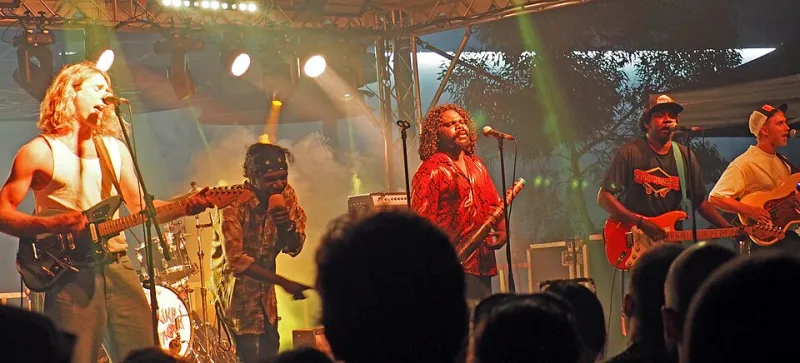
Photo: Somno, CC BY-SA 4.0, via Wikimedia Commons
Scroll through any major artist's comment section on a bad day and you'll find it fast: the fans who feel personally betrayed by a missed post, the ones who believe a song lyric was written specifically for them, the ones who've built entire emotional support systems around someone who doesn't know they exist.
This isn't a new phenomenon. But in 2024, with streaming platforms, TikTok lives, and Discord servers collapsing the distance between artists and audiences to almost nothing, what used to be a manageable quirk of fame has become something much harder to navigate.
What We Actually Mean by Parasocial
The term parasocial relationship was coined by sociologists in the 1950s to describe the one-sided emotional bonds people form with media figures — TV hosts, radio personalities, celebrities. You feel like you know them. They have no idea you're alive. It's a normal psychological response to repeated, intimate-feeling exposure to a person.
The problem is that the modern music industry has essentially been engineered to maximize parasocial intensity. Behind-the-scenes content, personal vlogs, fan Q&As, artists responding to comments — all of it is designed to make fans feel closer. And it works. Engagement goes up. Streams go up. Loyalty deepens.
But there's a cost, and artists are increasingly the ones paying it.
The Pressure to Be Permanently Available
For independent and mid-level artists especially, the pressure to maintain constant digital presence is relentless. Every day without a post is a day the algorithm deprioritizes you. Every week without a live session is a week your most engaged fans start wondering if something's wrong — or worse, start feeling abandoned.
That dynamic creates a specific kind of exhaustion that's hard to explain to people outside the industry. It's not just the workload. It's the emotional labor of performing intimacy on demand, day after day, for an audience that has come to expect access as part of the deal.
Several artists who've spoken publicly about mental health struggles in recent years have pointed to this exact pressure as a contributing factor. The line between sharing authentically and feeding a machine that requires more and more personal content to stay satisfied gets blurry fast.
When Connection Becomes Expectation
Here's where it gets complicated: the fans who go the hardest aren't usually bad people. Most of them are just doing what the platform design encouraged them to do. They followed an artist through a difficult album rollout, watched every live stream, bought the merch, showed up to the tour — and somewhere in that process, the relationship started to feel mutual in ways it genuinely isn't.
The psychological term for this is parasocial breakup — the grief and anger fans experience when an artist pulls back, changes their public persona, or simply doesn't reciprocate the emotional investment. It plays out publicly in comment sections every single week. An artist takes a social media break and their mentions fill up with fans who feel personally hurt by it.
For artists who've built their brand on authenticity and closeness — which is most artists right now, because that's what the market rewards — navigating this is genuinely tricky. Pull back too hard and you're accused of abandoning your community. Stay too open and you're drowning in the emotional demands of thousands of people who each believe they have a unique connection to you.
What Artists Are Actually Doing About It
The response from artists has been varied, but some clear strategies are emerging.
Structured transparency. Rather than being constantly available, some artists are moving toward scheduled, intentional connection points — a monthly Q&A, a newsletter, a fan club with clear parameters. The idea is to give fans genuine access within a container that the artist controls, rather than an always-open door that never closes.
Reclaiming narrative. A growing number of artists are using their platforms to openly discuss parasocial dynamics — not to shame fans, but to reframe the relationship honestly. Acknowledging that the connection is real and one-sided, that they care about their fans and can't be emotionally responsible for them, is a harder conversation to have, but it tends to land better than a sudden, unexplained withdrawal.
Building community, not dependency. Some artists are actively trying to redirect fan energy toward each other rather than toward themselves. Fan communities that develop their own culture, inside jokes, shared experiences — ones that don't require the artist to be present to function — are more sustainable for everyone involved.
Teni's approach has always leaned toward genuine warmth without manufactured intimacy. There's a difference between letting people into your world and letting them believe they own part of it — and artists who understand that distinction tend to build fanbases that are loyal without being possessive.
The Streaming Era's Uncomfortable Truth
Platforms profit from parasocial intensity. The more emotionally invested fans are, the more they stream, share, and spend. There's no structural incentive for Spotify, TikTok, or Instagram to encourage healthier fan-artist dynamics — if anything, the engagement metrics reward the opposite.
That means the burden of managing these relationships falls almost entirely on individual artists and their teams, often without much support or precedent to draw from. Bigger artists have PR teams and management layers that create some distance. Smaller artists are often completely alone in figuring it out.
What This Means for the Future of Fandom
The conversation is shifting, slowly. Mental health awareness in the music industry has opened up more honest dialogue about what artists owe their audiences and what they don't. Fans, too, are increasingly aware of the parasocial dynamic — there's a whole genre of self-aware internet humor about it — which creates at least the possibility of a more honest relationship.
The artists who'll navigate this era best probably aren't the ones who wall themselves off entirely or the ones who give everything until they have nothing left. They're the ones who figure out how to be genuinely present on their own terms, connect meaningfully without surrendering their sense of self, and build communities that can hold space for the music without needing to consume the person making it.
That's a hard balance to strike. But it might be the most important creative skill of this decade.