The Main Stage Is Already Booked. The Parking Lot Is Where Careers Start.
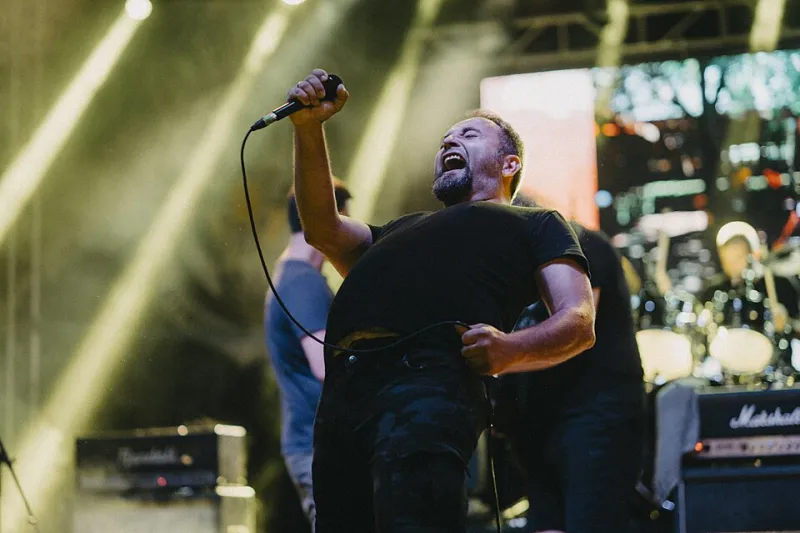
Photo: Shixart1985, CC BY 2.0, via Wikimedia Commons
Walk through any mid-size US festival this past summer and you'll notice the same pattern. The main stage poster is a wall of names you already know. The side stages are where the interesting stuff is happening — and almost nobody is standing there yet.
That's not nostalgia. That's math. And the math is reshaping who gets a shot.
The Calculation Promoters Are Actually Doing
Festivals are expensive in a way that's hard to explain to anyone who hasn't seen the spreadsheets. Site fees, insurance, security, medical, staging, and artist fees that have climbed steadily since touring costs spiked. A promoter putting together a 2026 lineup is looking at a seven-figure risk before a single ticket sells.
So they hedge. A legacy headliner with a proven draw and a catalog that spans three generations of ticket buyers is a known quantity. A rising artist with a great album and 400,000 monthly listeners is a bet. When you're booking fifteen acts across two days, you make the safe bets at the top and the cheap bets lower down.
That logic is defensible. It's also self-reinforcing.
Why Legacy Acts Keep Winning the Top Slot
Part of this is demand. People in their thirties and forties will pay real money to see an artist they grew up with, and they'll bring friends. Part of it is risk tolerance — a promoter who books a legacy act knows roughly what the gate will look like within ten percent.
But there's a third factor that gets less attention: catalogs. A legacy headliner can play two hours and never repeat a song from a single era. A newer artist with two albums has maybe seventy minutes of material and a crowd that only knows half of it. On a festival stage, that's a real limitation, and promoters know it.
So the bottleneck isn't just about name recognition. It's about how much material an artist can actually carry into a headline slot. Which means the fix isn't only 'book newer acts' — it's giving those acts room to build the kind of catalog that justifies the slot.
What the Bottleneck Does to Discovery
Here's the part that should worry anyone who cares about music discovery. Festival side stages used to be a reliable launchpad. A strong 2 p.m. set could turn into a tour, a label conversation, a viral clip. That still happens, but the slots are more crowded and the fees are thinner.
Meanwhile, the acts that get the big stages get the press coverage, the livestream, the festival playlist placement, and the clips that circulate for weeks. The acts on the side stage get a solid set and a smaller clip. Over time, that gap compounds.
It also changes the kind of artist who breaks. The ones who can afford to play a $2,500 side-stage slot in another state, with a band and a van and a crew, are often the ones with some kind of backing already. The independent artist with a day job and a great record is priced out of the opportunity entirely.
Turning a Side-Stage Slot Into Real Momentum
The good news is that the side stage still works — it just requires a different playbook than it did five years ago.
Treat the festival as a week, not a set. The artists getting the most out of a festival appearance are the ones playing three or four shows around it: a day party, a radio session, a small club date the night before. Each one is a chance to convert a new listener into a real fan.
Film everything. A side-stage set at 1 p.m. in harsh sun is a hard sell on video. A stripped-down three-song session shot backstage, or a clip of the crowd singing a chorus back at a parking-lot show, travels further than a shaky wide shot of a half-full field.
Build the email list, not the follower count. Festival crowds are distracted. A QR code on a merch table that gets someone on a mailing list is worth more than a thousand passive follows. Those are the people who will buy the next ticket in their own city.
Know what the set is for. A twenty-five-minute festival set is not a concert. It's a trailer. Pick the five songs that best explain who you are, put the strongest one second, and don't waste a minute on banter that doesn't earn the next song.
Stop Waiting for the Main Stage to Open
The bottleneck is real, and it's not going away next year. Promoters will keep hedging, and the biggest slots will keep going to the artists with the longest track records.
But careers don't get built on the main stage anymore. They get built in the parking lot, at the day party, in the ten-minute interview, in the clip that gets shared by someone who wasn't even there. The artists who understand that — who treat a small festival slot as one piece of a much bigger week — are the ones who'll be headlining in 2030. The ones waiting for permission will still be waiting.