You Don't Need a Record Deal to Let Music Heal You

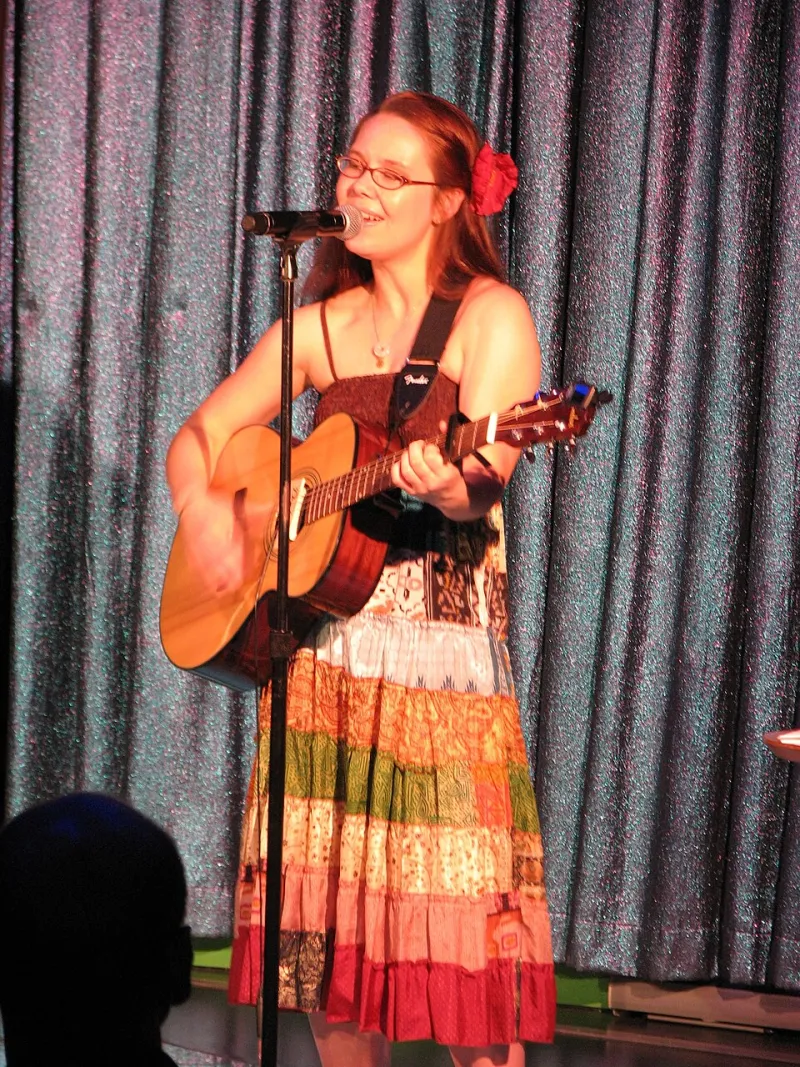
Photo: person playing guitar alone bedroom window natural light emotional, via www.clipartbest.com
I want to tell you something that the music industry doesn't exactly advertise: the most transformative thing about music has nothing to do with streams, chart positions, or going viral. It happens in the messy, private, often embarrassing moments when you're alone with an instrument or a voice memo app, trying to figure out how to say something that you don't have any other words for.
This is a piece about that. About music as a lifeline — not for the version of you that wants to be famous, but for the version of you that is just trying to get through the week.
When the Song Finds You First
Most of us didn't choose music so much as it chose us. There was a song that hit at exactly the right moment — a lyric that described something you'd been carrying alone and suddenly made you feel less alone. Or maybe you picked up a guitar during a rough patch and discovered that the act of making noise, of creating something out of nothing, gave your nervous system a rest from whatever was grinding you down.
That experience is not unique to professional musicians. It's actually one of the most universal human things there is. Anthropologists will tell you that music-making predates written language. Therapists will tell you that rhythmic sound has measurable effects on anxiety and stress response. Your own gut probably already knows this — which is why you play the same song on repeat when you're heartbroken, or why a certain melody can take you back to a specific afternoon fifteen years ago with a clarity that no photograph can match.
What I want to push on is the idea that the making of music carries the same kind of power as the listening — and that this power is available to everyone, not just people with talent or training or industry connections.
The Therapy Nobody Prescribes
Songwriting, specifically, does something unusual to the brain. When you try to turn an emotional experience into a song, you're forced to do something that therapy often tries to achieve: you have to find language for things that feel formless. You have to give structure to chaos. The verse-chorus-bridge architecture of even the simplest song demands that you organize your feelings into something with a beginning, a middle, and some kind of resolution — or at least an honest acknowledgment that the resolution hasn't come yet.
That process is not glamorous. It usually sounds terrible at first. The early demos are rough, the metaphors are mixed, and you will absolutely write at least one lyric that makes you cringe so hard you have to close the laptop and walk away. But something happens in that struggle that is genuinely therapeutic in the clinical sense of the word.
Researchers at institutions like Drexel University have studied music therapy for years, finding consistent evidence that active music-making — not just passive listening — reduces cortisol levels, improves mood regulation, and helps people process traumatic experiences. This isn't woo-woo stuff. It's measurable. And it doesn't require you to be good.
The Permission Slip You Didn't Know You Needed
Here's where I think a lot of people get stuck: they've absorbed the idea that making music is only worthwhile if it leads somewhere commercially. If it doesn't get streamed, if nobody else ever hears it, if it never becomes anything more than a voice memo on your phone — then what's the point?
This is the most limiting belief in the creative world, and it cuts people off from something genuinely healing before they ever give it a real chance. The point is the making. The point is what happens to you in the process — not what happens to the finished product.
Think about journaling. Nobody asks whether their journal entries are chart-toppers. Nobody feels like writing in a diary is a waste of time because it didn't get published. We understand intuitively that the act of writing things down has value independent of any audience. Music deserves the same permission.
I've watched people completely transform their relationship with anxiety, grief, and self-worth through the simple practice of writing songs that nobody else ever heard. Not because the songs were masterpieces, but because the act of making them created a space where those feelings could be examined, processed, and — sometimes — released.
What Performing Does That Nothing Else Can
If you do eventually share your music — even in small, low-stakes ways — something else opens up. There's a particular kind of vulnerability in performing that, when it works, creates a connection between you and another person that is hard to replicate through any other medium.
This doesn't have to mean a stage. It can be playing something for a friend in your living room. It can be posting a rough cover to Instagram with your phone propped against a coffee mug. It can be an open mic at a bar where twelve people are half-paying attention. The size of the audience is almost irrelevant. What matters is the act of saying, I made this thing, and I'm sharing it with you.
That act of offering — of being seen in your creative vulnerability — builds something in you over time. A kind of confidence that isn't about ego. More like a quiet assurance that you have something to say and that saying it matters, regardless of how many people are listening.
The Listener's Side of the Equation
All of this applies to the people who receive music, too. When an artist writes something genuinely personal — not to be relatable in a calculated way, but because they genuinely needed to say it — that authenticity travels. Listeners feel the difference between a song that was crafted to perform well and a song that was written because someone had to write it or they weren't going to be okay.
That's the music that saves people. Not the polished product with the expensive video, but the raw thing that someone made in a moment of need and decided to share anyway. The listener who finds it at the right moment doesn't care about the production quality. They care that someone else felt what they're feeling — and survived it well enough to make something out of it.
Start Wherever You Are
You don't need a studio. You don't need a producer. You don't need a following, a deal, or a plan. You need something to say and some willingness to say it through sound.
The healing doesn't live on the other side of success. It lives in the process — in the messy, imperfect, deeply human act of turning your interior life into something you can hear. That's available to you right now, exactly as you are.
Music has always been this. Long before it was an industry, it was a way that people made sense of being alive. That part hasn't changed. And it's yours to use, whether or not anyone ever puts it on a playlist.